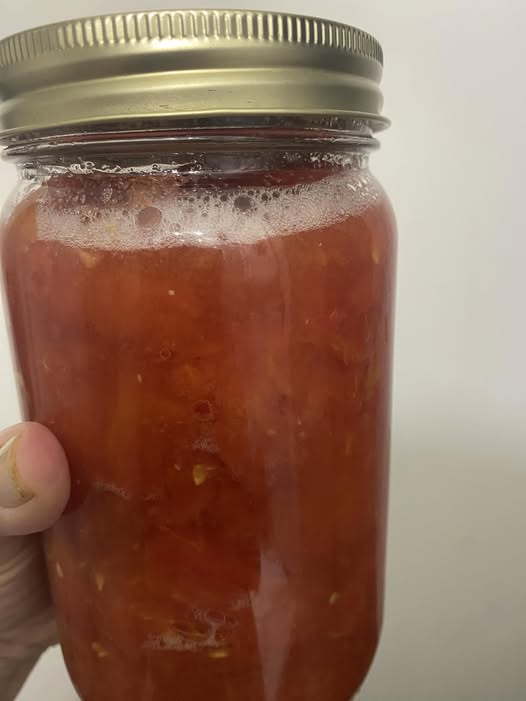
dangerous spoilage
Preparation Time: 10 minutes reading time
Cooking Time: Not Applicable
Total Time: 10 minutes
Important Note: Dangerous spoilage is not a food recipe. It is a food safety topic that every home cook, baker, gardener, and food preserver should understand. This guide explains how to identify potentially unsafe food and how to reduce the risk of foodborne illness.
What Is Dangerous Spoilage?
Dangerous spoilage occurs when food becomes unsafe to eat due to the growth of harmful microorganisms such as bacteria, molds, or yeasts. While some spoiled foods develop obvious warning signs like foul odors or mold growth, others may appear normal while still posing a health risk.
Understanding dangerous spoilage is especially important for:
- Home canning
- Meal preparation
- Refrigerated leftovers
- Frozen foods
- Fermented foods
- Pantry storage
Recognizing the warning signs can help prevent foodborne illness and improve kitchen safety.
Common Causes of Dangerous Spoilage
Several factors can contribute to food becoming unsafe.
1. Improper Storage Temperatures
Food stored outside safe temperature ranges can support bacterial growth.
Temperature Danger Zone
- 40°F to 140°F (4°C to 60°C)
Many harmful bacteria grow rapidly within this range.
Risk Intensity
- High Risk
- Bacterial growth increases as exposure time increases.
2. Improper Canning Procedures
Low-acid foods require approved pressure-canning methods.
Examples include:
- Potatoes
- Corn
- Green beans
- Meat
- Poultry
- Seafood
Following tested preservation methods is essential for safety.
3. Cross-Contamination
Cross-contamination occurs when bacteria move from one food or surface to another.
Common sources include:
- Raw meat
- Dirty cutting boards
- Unwashed hands
- Contaminated utensils
4. Damaged Packaging
Broken seals, leaking containers, or damaged packaging can allow contamination.
Inspect food carefully before use.
Warning Signs of Dangerous Spoilage
Bulging Containers
A swollen lid or bulging can may indicate gas production from microbial activity.
Inspection Intensity
- Time: 15 seconds
- Difficulty: Easy
Action: Discard the product.
Leaking Jars or Packages
Unexpected liquid leakage can indicate spoilage.
Inspection Intensity
- Time: 15 seconds
Inspect all preserved foods before opening.
Unusual Odors
Spoiled foods often develop:
- Sour smells
- Rotten odors
- Sulfur-like aromas
- Rancid scents
Inspection Intensity
- Time: 30 seconds
If a food smells abnormal, discard it.
Visible Mold
Mold may appear as:
- Green patches
- White fuzz
- Black spots
- Blue growth
Inspection Intensity
- Time: 30 seconds
Visible mold on many foods indicates spoilage.
Unusual Texture
Watch for:
- Slimy meat
- Sticky surfaces
- Excessive softness
- Unexpected separation
Inspection Intensity
- Time: 30 seconds
Changes in texture often indicate quality or safety issues.
Safe Food Storage Guidelines
Refrigerator Storage
Maintain temperatures between:
- 34°F and 40°F (1°C to 4°C)
Storage Intensity
- Low Risk when maintained properly
Freezer Storage
Maintain temperatures at:
- 0°F (-18°C) or below
Storage Intensity
- Very Low Risk
Freezing slows microbial growth but does not eliminate all microorganisms.
Pantry Storage
Store preserved foods in:
- Cool locations
- Dry areas
- Dark environments
Recommended Temperature
- 50°F to 70°F (10°C to 21°C)
Leftover Food Safety
Cooling Food
Refrigerate leftovers promptly.
Cooling Intensity
- Maximum Room Temperature Time: 2 hours
- Maximum Time Above 90°F (32°C): 1 hour
Use shallow containers to encourage faster cooling.
Reheating Food
Reheat leftovers thoroughly before serving.
Reheating Intensity
- Temperature: 165°F (74°C)
- Heat Level: Medium to High
Ensure food is heated evenly.
Food Inspection Checklist
Before consuming stored food, inspect the following:
✓ Container is undamaged
✓ Lid is properly sealed
✓ No bulging
✓ No leaking
✓ No mold growth
✓ No unusual odor
✓ No unexpected bubbling
✓ Proper storage history
High-Risk Foods
Certain foods require extra attention.
Meat and Poultry
Store properly and use within recommended time frames.
Refrigeration Intensity
- Temperature: Below 40°F (4°C)
Seafood
Highly perishable and should be used quickly.
Storage Intensity
- Use within 1–2 days when refrigerated
Dairy Products
Examples include:
- Milk
- Cream
- Cottage cheese
- Yogurt
Keep refrigerated at all times.
Cooked Rice and Pasta
Store promptly after cooking.
Storage Intensity
- Refrigerate within 2 hours
Preventing Dangerous Spoilage
Practice Good Hygiene
Wash hands thoroughly.
Handwashing Intensity
- Time: 20 seconds
- Water: Warm water and soap
Clean Equipment
Wash:
- Knives
- Cutting boards
- Containers
- Mixing bowls
Regular cleaning reduces contamination risks.
Follow Tested Preservation Methods
When preserving foods:
- Use approved recipes
- Follow processing times
- Use proper equipment
Reliable food preservation methods help maintain safety.
Label Stored Foods
Include:
- Product name
- Date prepared
- Storage instructions
This helps track freshness and quality.
Frequently Asked Questions
Can spoiled food always be identified by smell?
No. Some harmful microorganisms may not create noticeable odors.
Is mold always dangerous?
Not all molds are harmful, but visible mold on many foods is a warning sign that should not be ignored.
Can freezing reverse spoilage?
No. Freezing slows growth but does not restore spoiled food.
Should food be tasted to determine safety?
No. Never taste food that appears spoiled or questionable.
Food Safety Time and Temperature Summary
| Activity | Temperature | Time |
|---|---|---|
| Refrigeration | 34–40°F (1–4°C) | Continuous |
| Freezing | 0°F (-18°C) | Continuous |
| Safe Reheating | 165°F (74°C) | Until heated through |
| Leftover Cooling | Below 40°F (4°C) | Within 2 hours |
| Pantry Storage | 50–70°F (10–21°C) | Long-term |
Nutrition Information
This is a food safety educational guide rather than a prepared recipe.
Nutrition Per Serving
- Calories: 0
- Protein: 0g
- Carbohydrates: 0g
- Fat: 0g
- Saturated Fat: 0g
- Cholesterol: 0mg
- Sodium: 0mg
- Fiber: 0g
- Sugar: 0g