Egg custard
Prep Time: 10 minutes
Cook Time: 40 minutes
Rest/Cool Time: 20 minutes (plus chilling, optional)
Total Time: 1 hour 10 minutes
Intensity Level: Low (Easy – requires whisking and a water bath, but minimal active work)
The Last Word on This Recipe
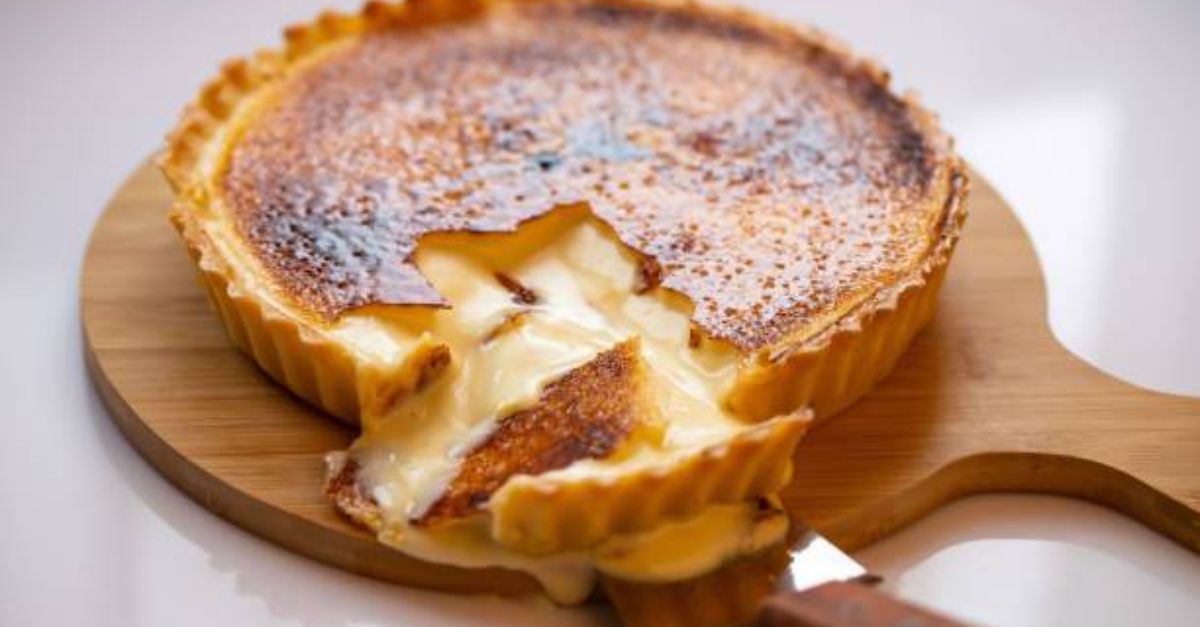
This is custard as it was meant to be: silky, gently sweet, and scented with vanilla and fresh nutmeg. Unlike stovetop pudding, baked egg custard develops a firm-yet-quivering set with a soft, creamy interior. The true secret is the bain-marie (water bath), which insulates the eggs so they never scramble. This recipe is forgiving enough for a first-time baker but elegant enough for a dinner party. Serve it warm, chilled, or anywhere in between.
Nutrition (per serving, 1 of 6 ramekins)
| Nutrient | Amount |
|---|---|
| Calories | 165 kcal |
| Protein | 7 g |
| Carbohydrates | 14 g |
| Sugar | 13 g |
| Fat | 8 g |
| Saturated Fat | 4 g |
| Cholesterol | 125 mg |
| Sodium | 70 mg |
| Calcium | 130 mg (13% DV) |
Calculated using whole milk and large eggs. For lower fat, substitute 2% milk (reduce calories to ~145).
Ingredients
-
4 large eggs (room temperature preferred)
-
½ cup (100g) granulated sugar
-
¼ tsp fine sea salt
-
2 ½ cups (600ml) whole milk (or 2% milk)
-
1 ½ tsp pure vanilla extract
-
Freshly grated nutmeg (about ¼ tsp, plus more for topping)
-
Optional: ¼ tsp ground cinnamon for warmth
Equipment Needed
-
6 (6-ounce) ramekins or heatproof custard cups
-
Large roasting pan or baking dish (to hold ramekins)
-
Medium mixing bowl
-
Whisk
-
Fine-mesh strainer (optional but recommended for silky texture)
-
Kettle or pot to boil water
Instructions
1. Preheat & Prepare the Water Bath (Intensity: Low)
Preheat your oven to 325°F (163°C). Place the 6 ramekins inside a large roasting pan. Do not separate them yet. Set a kettle of water to boil.
2. Whisk the Eggs, Sugar & Salt (Intensity: Low – 2 minutes)
In a medium bowl, whisk the eggs, sugar, and salt vigorously until the sugar has dissolved and the mixture is pale and slightly frothy, about 2 minutes. Do not over-whisk (you don’t want foam—just a smooth blend).
3. Heat the Milk (Intensity: Low – 3 minutes)
In a small saucepan over medium heat, warm the milk until it is steamy and small bubbles form around the edge (about 180°F/82°C). Do not boil. Boiling will curdle the eggs later.
4. Temper the Eggs (Intensity: Medium focus – 5 minutes)
Slowly drizzle about ½ cup of the hot milk into the egg mixture while whisking constantly. This raises the egg temperature gradually. Then, pour the egg mixture back into the saucepan with the remaining milk, whisking continuously.
5. Add Vanilla & Strain (Intensity: Low – 2 minutes)
Remove from heat. Whisk in the vanilla extract. For the silkiest texture, pour the entire custard base through a fine-mesh strainer into a clean bowl or large measuring cup (this catches any cooked egg bits).
6. Fill Ramekins (Intensity: Low)
Place the ramekins (still in the roasting pan) on your counter. Pour the custard evenly among them, leaving about ¼ inch of space at the top. Grate fresh nutmeg directly over each ramekin.
7. The Water Bath (Intensity: Medium focus – careful transfer)
Carefully pull the oven rack out partway. Set the roasting pan with filled ramekins on the rack. Pour the boiling water from your kettle into the roasting pan until it reaches halfway up the sides of the ramekins (about 1 inch deep). Slowly slide the rack back in.
8. Bake (Intensity: Zero – just wait)
Bake for 35 to 40 minutes. The custard is done when the edges are set but the center still jiggles like Jell-O when you gently shake the pan. A knife inserted 1 inch from the edge should come out clean; the center will still be wet.
9. Remove from Water Bath (Intensity: Medium focus – careful)
Use oven mitts to carefully lift the roasting pan out of the oven. Transfer ramekins to a wire rack using tongs or a spatula. Let cool for 20 minutes (they will continue to set).
How to Serve & Store
-
Serve warm: Delicious after the 20-minute rest, with a dusting of cinnamon.
-
Serve chilled: Cover and refrigerate for at least 2 hours. Cold custard becomes denser and fudgier.
-
Storage: Keep refrigerated in an airtight container for up to 3 days. Do not freeze (texture will split).
Chef’s Intensity Notes
| Stage | Intensity Level | Why |
|---|---|---|
| Whisking eggs & sugar | Low | Rhythmic, easy arm motion |
| Heating milk | Low | Just watch for steam, not boil |
| Tempering eggs | Medium | Requires your full attention for 2-3 minutes to avoid scrambling |
| Filling water bath | Medium | Hot water + oven rack needs care |
| Baking & waiting | Zero | Let the oven do the work |
Total hands-on intensity: Low-Medium. Perfect for a relaxed afternoon bake.
Troubleshooting
-
Custard weeps (watery layer on bottom)? Baked slightly too long or cooled too fast. Reduce bake time by 3 minutes next time.
-
Custard curdled (scrambled eggs)? Milk was too hot when added to eggs. Always temper slowly.
-
Skin on top? That’s intentional and traditional! If unwanted, press plastic wrap directly onto the surface while cooling.
Variations
-
Dairy-free: Use full-fat oat milk + 1 tbsp melted coconut oil. Reduce sugar to ⅓ cup.
-
Lemon custard: Replace vanilla with 1 tbsp lemon zest + 1 tsp lemon juice.
-
Coconut egg custard: Substitute 1 cup coconut milk for 1 cup of the whole milk.
Final note from the kitchen: This egg custard is a quiet triumph. No mixer, no tricky techniques—just patience and a water bath. Make it once, and you’ll never buy premade pudding again.