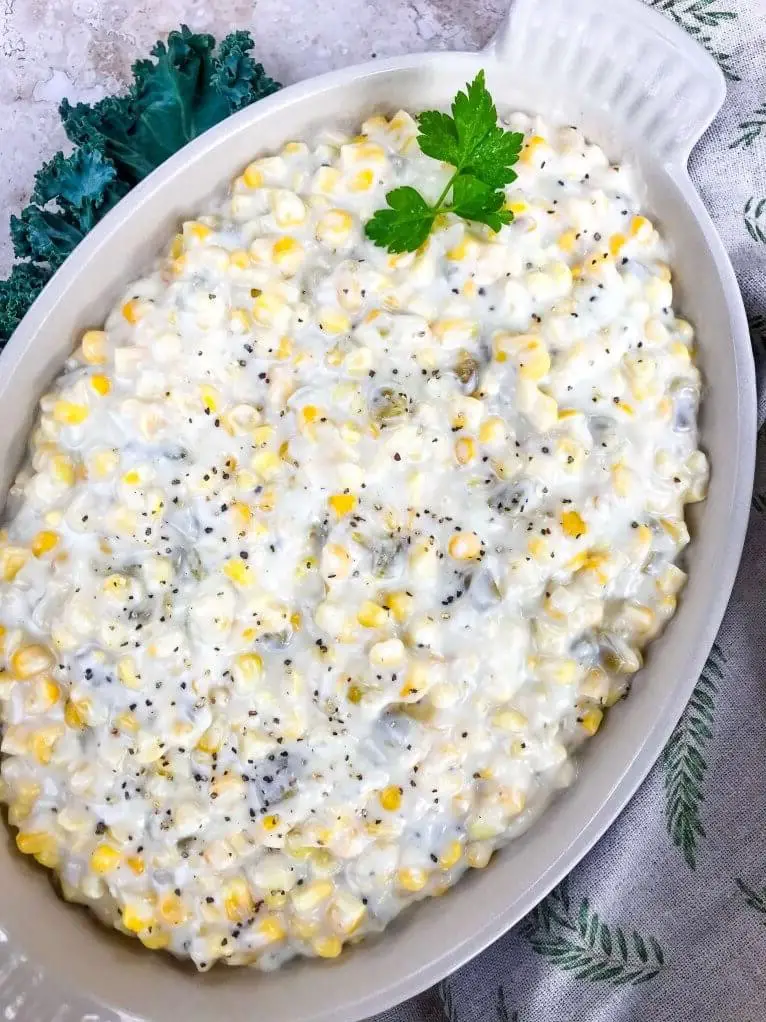
Popular Recipe Versions
- Prep Time: 10–20 minutes
- Average Cook Time: 20–45 minutes
- Average Total Time: 30–60 minutes
- Difficulty Level: Easy to Intermediate
- Typical Servings: 4–6
Basic Ingredients for Customizing Recipes
Most recipe versions begin with a few pantry staples. Depending on the dish, you may use:
- Olive oil or butter
- Garlic and onions
- Fresh herbs
- Salt and black pepper
- Lemon or lime juice
- Cheese (optional)
- Fresh vegetables
- Seasonal fruits
- Whole grains
- Beans or legumes
- Chicken, seafood, tofu, or lean meats (optional)
- Nuts and seeds
- Spices such as paprika, cumin, oregano, cinnamon, or turmeric
Equipment Needed
- Mixing bowls
- Measuring cups and spoons
- Cutting board
- Chef’s knife
- Skillet or saucepan
- Baking dish
- Baking sheet
- Blender or food processor (optional)
- Whisk
- Spatula
Popular Recipe Versions
1. Classic Version
The traditional version focuses on simple ingredients and timeless techniques. It emphasizes balanced flavors and familiar textures that appeal to most people.
Perfect for:
- Family dinners
- Everyday meals
- Beginners
2. Healthy Version
This variation emphasizes nutrient-rich ingredients and lighter cooking methods.
Common adjustments include:
- Whole grains instead of refined grains
- Less added sugar
- Reduced sodium
- Lean protein
- Plenty of vegetables
- Healthy fats such as olive oil and avocado
Ideal for everyday balanced meals.
3. Vegetarian Version
Meat is replaced with plant-based ingredients such as:
- Beans
- Lentils
- Chickpeas
- Mushrooms
- Tofu
- Tempeh
These ingredients provide satisfying texture and protein while maintaining hearty flavor.
4. Vegan Version
Animal-derived ingredients are replaced with plant-based alternatives.
Examples include:
- Plant milk
- Vegan butter
- Flaxseed or chia egg substitutes
- Nutritional yeast
- Coconut yogurt
This version works well for many soups, baked goods, sauces, and desserts.
5. Gluten-Free Version
Suitable for people avoiding gluten.
Popular substitutions include:
- Rice flour
- Almond flour
- Oat flour (certified gluten-free)
- Cornmeal
- Gluten-free pasta
- Gluten-free bread
Always verify that packaged ingredients are certified gluten-free if needed.
6. High-Protein Version
Increase protein by adding:
- Greek yogurt
- Cottage cheese
- Chicken breast
- Turkey
- Eggs
- Beans
- Lentils
- Tofu
- Edamame
Great for meal prep and post-workout meals.
7. Low-Carb Version
Reduce carbohydrates by replacing:
- Rice with cauliflower rice
- Pasta with zucchini noodles
- Bread with lettuce wraps
- Potatoes with roasted cauliflower
This version focuses on vegetables, healthy fats, and protein-rich ingredients.
8. Spicy Version
For those who enjoy bold flavors, add:
- Fresh chilies
- Jalapeños
- Cayenne pepper
- Chipotle powder
- Red pepper flakes
- Hot sauce
Adjust the spice level to suit your taste.
9. Mediterranean Version
Inspired by Mediterranean cuisine, this variation often features:
- Olive oil
- Tomatoes
- Cucumbers
- Olives
- Chickpeas
- Fresh herbs
- Lemon juice
- Whole grains
This style is colorful, fresh, and full of flavor.
10. Seasonal Version
Use ingredients that are fresh and readily available throughout the year.
Spring
- Asparagus
- Peas
- Strawberries
Summer
- Tomatoes
- Zucchini
- Corn
- Peaches
Autumn
- Pumpkin
- Apples
- Sweet potatoes
Winter
- Kale
- Citrus fruits
- Root vegetables
Cooking with seasonal produce often enhances flavor and value.
Tips for Creating Your Own Recipe Version
- Taste as you cook and adjust seasoning gradually.
- Balance sweet, salty, sour, and savory flavors.
- Use fresh herbs near the end of cooking for maximum flavor.
- Avoid overcrowding pans when roasting or sautéing.
- Keep ingredient substitutions similar in texture when possible.
- Experiment with spices one at a time to discover new flavor combinations.
Serving Suggestions
Most recipe versions pair well with complementary side dishes such as fresh salads, roasted vegetables, whole grains, soups, or crusty bread. For desserts, serve with seasonal fruit, whipped cream, or yogurt. Beverages like sparkling water with citrus, herbal tea, or fresh fruit-infused water can round out the meal.
Storage Instructions
Storage times vary by recipe, but general guidelines include:
- Refrigerator: Store leftovers in airtight containers for up to 3–4 days.
- Freezer: Many soups, casseroles, sauces, and baked goods freeze well for up to 2–3 months.
Always cool cooked food before refrigerating and reheat thoroughly before serving.
Common Mistakes to Avoid
- Over-seasoning before tasting.
- Overcooking vegetables, causing them to lose texture.
- Using low-quality ingredients when fresh alternatives are available.
- Ignoring cooking times and temperatures.
- Making too many substitutions at once, which can significantly alter the recipe.
Health Benefits
Adapting recipes with wholesome ingredients can help increase your intake of vegetables, fruits, whole grains, legumes, lean proteins, nuts, and seeds. These foods provide dietary fiber, vitamins, minerals, and healthy fats that support overall wellness. Choosing cooking methods such as baking, roasting, steaming, and grilling can also help reduce the need for excess added fats while preserving flavor.
Frequently Asked Questions
Can I substitute ingredients?
Yes. Many recipes can be adapted using similar ingredients. Choose substitutions with comparable texture and cooking properties for the best results.
Which version is healthiest?
There is no single healthiest version. The best choice depends on your nutritional needs, preferences, and overall eating pattern. A balanced recipe that includes vegetables, whole grains, and a source of protein is a good option for many people.
Can I prepare recipes in advance?
Many recipes are ideal for meal prep. Soups, casseroles, grain bowls, and baked goods often taste just as good—or even better—the next day.
How can I add more flavor without extra salt?
Use fresh herbs, citrus juice, garlic, onions, spices, vinegars, and toasted nuts or seeds to enhance flavor naturally.
Recipe Summary
- Recipe Name: Popular Recipe Versions
- Category: Recipe Guide
- Cuisine: International
- Course: Informational Cooking Guide
- Difficulty: Easy
- Average Prep Time: 10–20 minutes
- Average Cook Time: 20–45 minutes
- Average Total Time: 30–60 minutes
- Typical Servings: 4–6
Nutrition Information (General Guide Per Serving)
| Nutrient | Amount* |
|---|---|
| Calories | 250–450 kcal |
| Protein | 10–25 g |
| Total Fat | 8–18 g |
| Saturated Fat | 2–6 g |
| Carbohydrates | 25–45 g |
| Dietary Fiber | 5–10 g |
| Sugars | 4–12 g |
| Sodium | 250–600 mg |
| Potassium | 300–700 mg |
| Vitamin A | 10–40% DV |
| Vitamin C | 15–60% DV |
| Calcium | 8–20% DV |
| Iron | 10–25% DV |