range marmalade
- Prep Time: 30 minutes
- Soaking Time: 8–12 hours (optional, for softer peel)
- Cooking Time: 1 hour 30 minutes
- Cooling Time: 12 hours
- Total Time: Approximately 14 hours (including optional soaking)
Difficulty Level: Moderate
Yield: About 6 half-pint jars (approximately 6 cups)
Ingredients
- 4 large oranges (preferably organic)
- 1 lemon
- 6 cups granulated sugar
- 5 cups water
Optional Flavor Enhancers
- 1 cinnamon stick
- 1 teaspoon vanilla extract
- 2 whole cloves
- 1 teaspoon fresh grated ginger
Kitchen Equipment
- Large heavy-bottomed pot
- Sharp knife
- Cutting board
- Citrus juicer
- Measuring cups
- Candy thermometer (optional)
- Wooden spoon
- Sterilized half-pint canning jars with lids and bands
- Water bath canner (if preserving)
Instructions
Step 1: Prepare the Fruit
Wash the oranges and lemon thoroughly under warm water.
Cut the oranges and lemon in half and squeeze out the juice, reserving both the juice and the seeds. The seeds contain natural pectin that helps the marmalade set.
Slice the orange peels into very thin strips. Thinner slices create a more delicate texture.
Place the seeds into a small piece of cheesecloth and tie securely to create a pectin pouch.
Step 2: Soak the Fruit (Optional)
Combine the sliced peels, citrus juice, water, and the pectin pouch in a large pot.
Cover and let the mixture soak for 8–12 hours or overnight. This softens the peel and enhances the finished texture.
If you’re short on time, you may skip this step and proceed directly to cooking, though the peel may remain slightly firmer.
Step 3: Cook the Citrus
Place the pot over medium heat and bring the mixture to a gentle boil.
Reduce the heat to maintain a steady simmer.
Cook for 45–60 minutes, stirring occasionally, until the orange peel becomes tender.
Remove and discard the pectin pouch.
Step 4: Add the Sugar
Gradually stir in the granulated sugar until completely dissolved.
If using cinnamon, cloves, ginger, or vanilla, add them now.
Increase the heat slightly and bring the mixture to a full rolling boil, stirring frequently to prevent scorching.
Continue boiling for 20–30 minutes, or until the marmalade reaches 220°F (104°C) on a candy thermometer or passes the chilled plate test.
Step 5: Test for Doneness
To check if the marmalade has set:
- Place a small plate in the freezer before you begin cooking.
- Spoon a little marmalade onto the cold plate.
- Wait 30 seconds, then push it gently with your finger.
- If it wrinkles slightly and holds its shape, it’s ready.
If it remains runny, continue cooking for another 5 minutes and test again.
Step 6: Fill the Jars
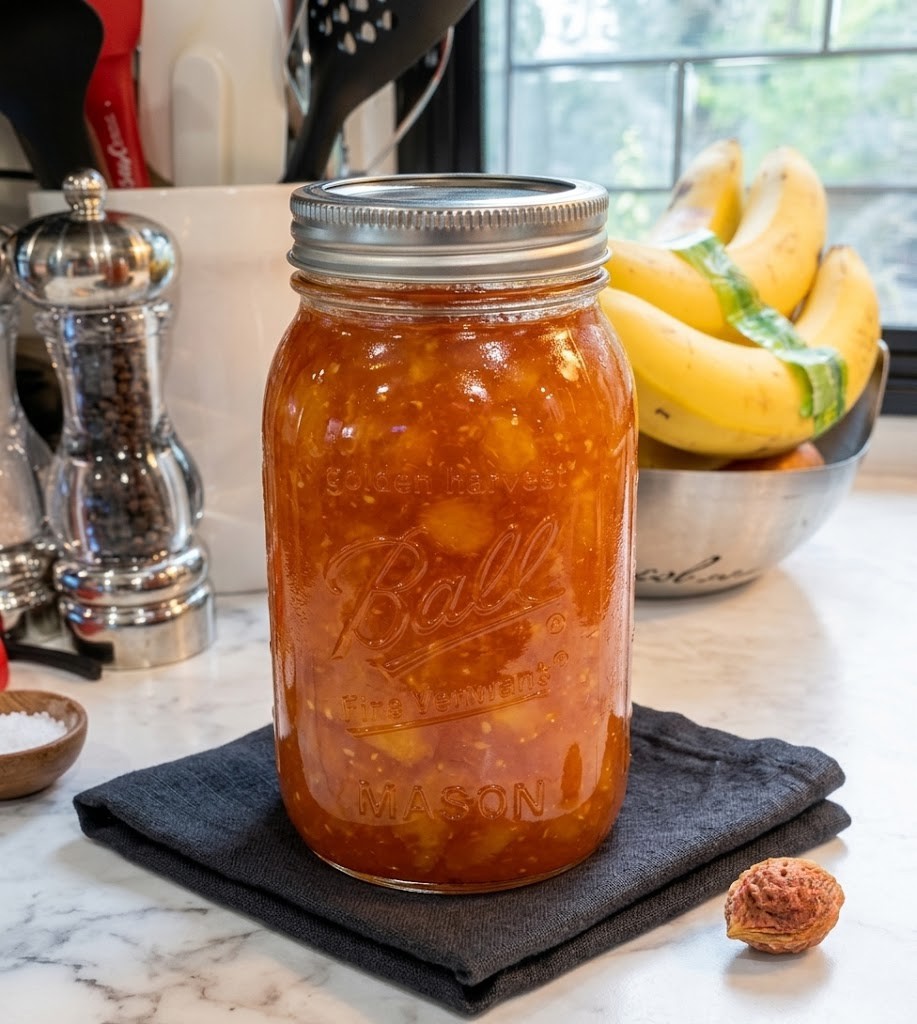
Ladle the hot marmalade into sterilized jars, leaving ¼ inch (6 mm) of headspace.
Wipe the jar rims clean, apply the lids, and tighten the bands until fingertip-tight.
Step 7: Process (Optional for Long-Term Storage)
For shelf-stable storage, process the filled jars in a boiling water bath for 10 minutes (adjust processing time for higher elevations if needed).
Carefully remove the jars and let them cool undisturbed for 12–24 hours.
Check that each lid has sealed before storing.
Time and Temperature
- Soaking Time (Optional): 8–12 hours
- Simmering Temperature: Gentle simmer (about 200–205°F / 93–96°C)
- Boiling Temperature: Full rolling boil
- Setting Temperature: 220°F (104°C)
- Water Bath Processing: 10 minutes
Tips for Success
- Use fresh, firm oranges with thin peels for the best flavor.
- Slice the peel evenly for a consistent texture.
- Stir frequently after adding sugar to prevent burning.
- Avoid overcooking, which can make the marmalade too firm.
- Sterilize jars and lids before filling.
- Allow the marmalade to cool completely before judging its final consistency.
Flavor Variations
Blood Orange Marmalade
Replace regular oranges with blood oranges for a deeper color and berry-like citrus flavor.
Orange Ginger Marmalade
Add 1 tablespoon of freshly grated ginger during cooking.
Three-Citrus Marmalade
Combine oranges, lemons, and grapefruit for a more complex citrus preserve.
Vanilla Orange Marmalade
Stir in 1 teaspoon of pure vanilla extract after removing the pot from the heat.
Spiced Marmalade
Add a cinnamon stick, two cloves, and a star anise for a warm, aromatic twist.
Serving Suggestions
Orange Marmalade is incredibly versatile. Enjoy it:
- Spread on toast, English muffins, croissants, or bagels
- With warm biscuits or scones
- Swirled into plain yogurt
- Over pancakes or waffles
- As a filling for cakes and pastries
- Mixed into oatmeal
- As a glaze for roasted chicken, pork, or ham
- Paired with soft cheeses on a charcuterie board
Storage Instructions
If processed in a water bath and properly sealed, store unopened jars in a cool, dark pantry for up to 12 months.
Once opened, refrigerate and use within 3–4 weeks.
For freezer storage, place cooled marmalade in freezer-safe containers, leaving headspace for expansion, and freeze for up to 6 months.
Common Mistakes to Avoid
- Using overripe fruit with little natural pectin.
- Cutting the peel too thick, resulting in a chewy texture.
- Cooking at too high a heat, which may scorch the sugar.
- Skipping the set test before jarring.
- Overfilling jars and leaving insufficient headspace.
Frequently Asked Questions
Can I use store-bought orange juice?
Fresh oranges are strongly recommended because the peel provides flavor and natural pectin essential for authentic marmalade.
Why is my marmalade runny?
It may not have reached the proper setting temperature or cooked long enough. It often thickens further as it cools, but if it’s still too thin after 24 hours, it can be reheated and cooked a little longer.
Why is my marmalade too firm?
Overcooking or excessive evaporation can result in a firmer set. Next time, begin testing for doneness a little earlier.
Can I reduce the sugar?
Sugar is important for both preservation and setting. While modest reductions are possible, significant changes may affect the texture and shelf life.
Final Thoughts
Homemade Orange Marmalade is a timeless preserve that captures the bright, sunny flavor of fresh citrus in every spoonful. With its perfect balance of sweetness and gentle bitterness from the peel, this marmalade is a versatile addition to your pantry. Whether spread over warm toast, baked into desserts, or used as a savory glaze, it offers homemade quality and vibrant flavor that’s difficult to match with store-bought versions. Make a batch during citrus season, and you’ll have a delicious preserve to enjoy throughout the year.
Nutrition Information (Per 1 Tablespoon, Approximate)
- Calories: 50
- Protein: 0 g
- Carbohydrates: 13 g
- Fat: 0 g
- Saturated Fat: 0 g
- Cholesterol: 0 mg
- Sodium: 0 mg
- Fiber: 0.2 g
- Sugars: 12 g
- Calcium: 4 mg
- Iron: 0.1 mg
- Potassium: 18 mg
- Vitamin C: 4% DV
- Vitamin A: 0% DV