Ketchup Recipe
- Prep Time: 10 minutes
- Cook Time: 25 minutes
- Cooling Time: 15 minutes
- Total Time: 50 minutes
Difficulty Level: Easy
Servings: About 2 cups (16 servings)
Ingredients
- 12 ounces (340 g) tomato paste
- ½ cup water
- ⅓ cup apple cider vinegar
- ¼ cup brown sugar
- 2 tablespoons honey (optional)
- 1 teaspoon onion powder
- 1 teaspoon garlic powder
- ½ teaspoon smoked paprika
- ¼ teaspoon ground cinnamon
- ¼ teaspoon ground cloves
- ½ teaspoon salt
- ¼ teaspoon black pepper
- ¼ teaspoon mustard powder
- 1 tablespoon Worcestershire sauce
- 1 teaspoon lemon juice
Kitchen Equipment
- Medium saucepan
- Whisk
- Measuring cups
- Measuring spoons
- Wooden spoon
- Airtight glass jar or squeeze bottle
Instructions
Step 1: Combine Ingredients
Place the tomato paste into a medium saucepan.
Add:
- Water
- Apple cider vinegar
- Brown sugar
- Honey
- Worcestershire sauce
- Lemon juice
Whisk until completely smooth.
Step 2: Add Seasonings
Mix in:
- Onion powder
- Garlic powder
- Smoked paprika
- Cinnamon
- Ground cloves
- Mustard powder
- Salt
- Pepper
Whisk well so all spices are evenly distributed.
Step 3: Simmer
Place the saucepan over medium heat (approximately 300°F / 150°C stovetop equivalent).
Bring the mixture to a gentle simmer.
Reduce to low heat.
Cook for 20–25 minutes, stirring every 2–3 minutes.
The ketchup will gradually become thicker and richer.
Step 4: Taste and Adjust
Taste your ketchup.
Adjust according to your preference:
- More vinegar for tanginess
- More brown sugar for sweetness
- Extra paprika for smokiness
- Additional salt if needed
Continue simmering another 5 minutes if adjustments are made.
Step 5: Cool
Remove from heat.
Allow the ketchup to cool for about 15 minutes.
It will continue to thicken as it cools.
Step 6: Store
Transfer the cooled ketchup into:
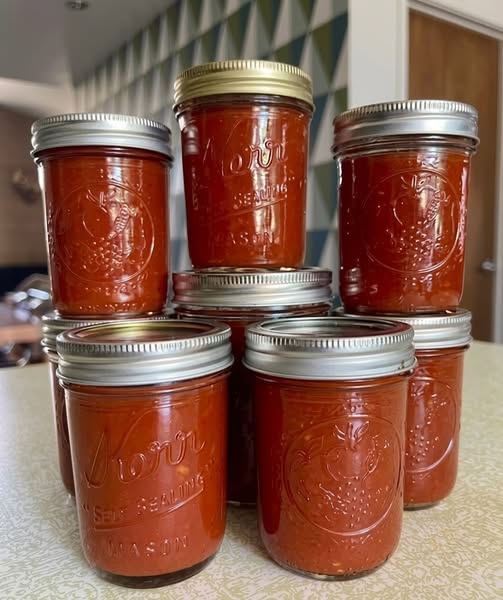
- Glass jars
- Mason jars
- Squeeze bottles
Seal tightly.
Refrigerate before serving for the best flavor.
Cooking Temperature
- Simmer over medium-low heat
- Approximately 190–200°F (88–93°C) while simmering
- Do not boil vigorously, as this can scorch the tomato paste.
Tips for Perfect Homemade Ketchup
Use Quality Tomato Paste
A high-quality tomato paste creates a richer, sweeter ketchup.
Simmer Slowly
Low heat develops deeper flavor without burning.
Stir Frequently
Tomato mixtures can stick easily to the bottom of the pan.
Chill Before Serving
The flavors improve after several hours in the refrigerator.
Blend if Necessary
For an extra silky texture, blend the cooled ketchup using an immersion blender.
Flavor Variations
Spicy Ketchup
Add:
- ½ teaspoon cayenne pepper
- Hot sauce
- Crushed red pepper flakes
Smoky BBQ Ketchup
Mix in:
- Extra smoked paprika
- Liquid smoke
- Molasses
Perfect for burgers and grilled meats.
Honey Ketchup
Replace the brown sugar with additional honey for a naturally sweet flavor.
Maple Ketchup
Substitute maple syrup for the honey to create a rich, slightly caramel-like sweetness.
Garlic Lovers Ketchup
Increase garlic powder or roast fresh garlic and blend it into the ketchup.
Serving Suggestions
Homemade ketchup pairs wonderfully with:
- French fries
- Sweet potato fries
- Burgers
- Cheeseburgers
- Hot dogs
- Chicken nuggets
- Onion rings
- Grilled cheese sandwiches
- Meatloaf
- Hash browns
- Breakfast potatoes
- Fish sticks
- Fried chicken
- Tater tots
- Homemade potato wedges
It also works as a base for barbecue sauce, cocktail sauce, and meat glazes.
Storage
Store refrigerated in an airtight container for up to 3 weeks.
Always use a clean spoon or squeeze bottle to prevent contamination.
Freezing
Homemade ketchup freezes beautifully.
Freeze in:
- Ice cube trays
- Small freezer containers
- Silicone molds
Store for up to 3 months.
Thaw overnight in the refrigerator before using.
Common Mistakes to Avoid
Cooking Too Fast
High heat can scorch the tomato paste and create a bitter flavor.
Too Much Vinegar
Add vinegar gradually and taste as you go to avoid excessive acidity.
Skipping the Simmer
Simmering allows the spices to blend and mellows the vinegar’s sharpness.
Underseasoning
Taste before storing and adjust seasoning as needed.
Frequently Asked Questions
Can I make ketchup without sugar?
Yes. You can replace the brown sugar with honey, maple syrup, or a sugar substitute suitable for cooking. Keep in mind that sweetness balances the acidity of the tomatoes and vinegar.
Can I use fresh tomatoes?
Yes, but they should be cooked down and pureed before use. Fresh tomatoes contain more water, so the ketchup will require a longer simmer to reach the proper consistency.
Why is my ketchup too thick?
Simply whisk in a small amount of water, one tablespoon at a time, until the desired consistency is reached.
Can I make it vegan?
Absolutely. Omit the honey or replace it with maple syrup, and ensure your Worcestershire sauce is vegan or substitute it with soy sauce and a splash of vinegar.
How do I know when it’s done?
The ketchup is ready when it coats the back of a spoon and has a smooth, thick consistency. It will thicken a bit more as it cools.
Recipe Notes
- Use apple cider vinegar for a classic tangy flavor.
- Brown sugar adds a subtle molasses depth, but white sugar can be substituted if preferred.
- Smoked paprika gives a gentle smoky note without overpowering the tomatoes.
- Refrigerating overnight enhances the flavor, making the ketchup taste even better the next day.
- Homemade ketchup is excellent for everyday meals and also makes a thoughtful homemade gift when bottled in decorative jars.
Nutrition Information (Per Serving)
Serving Size: Approximately 2 tablespoons
- Calories: 25
- Protein: 0.5 g
- Carbohydrates: 6 g
- Sugars: 5 g
- Dietary Fiber: 1 g
- Fat: 0 g
- Saturated Fat: 0 g
- Cholesterol: 0 mg
- Sodium: 140 mg
- Potassium: 120 mg
- Vitamin A: 6% DV
- Vitamin C: 8% DV
- Calcium: 1% DV
- Iron: 2% DV