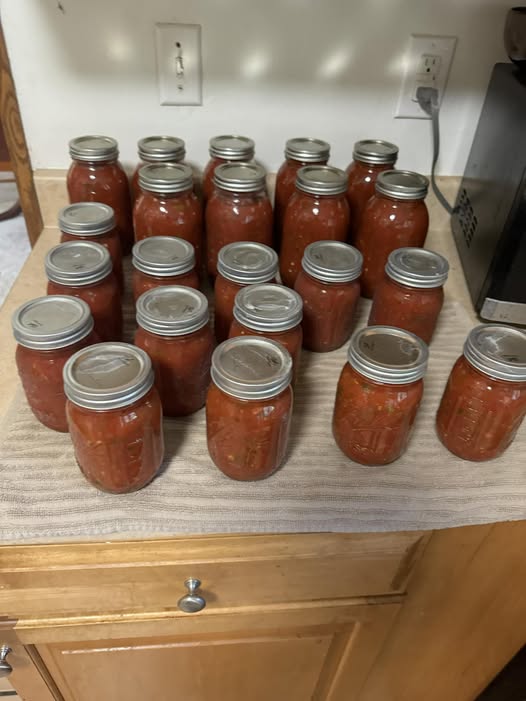
Marinara Sauce
- Prep Time: 15 minutes
- Cook Time: 45 minutes
- Total Time: 1 hour
- Difficulty Level: Easy
- Yield: About 6 cups
- Servings: 8
Ingredients
- 2 tablespoons extra-virgin olive oil
- 1 medium yellow onion, finely diced
- 5 garlic cloves, minced
- 2 cans (28 ounces each) whole peeled tomatoes, crushed by hand or blended
- 2 tablespoons tomato paste
- 1 teaspoon kosher salt
- ½ teaspoon freshly ground black pepper
- 1 teaspoon dried oregano
- 1 teaspoon dried basil
- ½ teaspoon dried thyme
- ¼ teaspoon crushed red pepper flakes (optional)
- 1 teaspoon granulated sugar (optional, if the tomatoes are particularly acidic)
- 2 bay leaves
- ¼ cup chopped fresh basil
- 2 tablespoons chopped fresh parsley
Equipment Needed
- Large saucepan or Dutch oven
- Wooden spoon
- Chef’s knife
- Cutting board
- Measuring spoons
- Can opener
- Immersion blender (optional)
Instructions
Step 1: Sauté the Onion
Heat the olive oil in a large saucepan over medium heat.
Add the diced onion and cook for 5–7 minutes, stirring occasionally until the onion is soft and translucent.
Step 2: Cook the Garlic
Add the minced garlic and stir continuously for about 1 minute over medium heat until fragrant. Avoid browning the garlic, as it can become bitter.
Step 3: Add Tomato Paste
Stir in the tomato paste and cook for 2 minutes, allowing it to caramelize slightly and develop a richer flavor.
Step 4: Add the Tomatoes
Pour in the crushed tomatoes and stir until fully combined with the onion mixture.
Step 5: Season the Sauce
Add:
- Salt
- Black pepper
- Oregano
- Basil
- Thyme
- Bay leaves
- Crushed red pepper flakes (if using)
- Sugar (optional)
Mix thoroughly.
Step 6: Simmer
Reduce the heat to low and allow the sauce to simmer uncovered for 35–40 minutes.
Stir every 10 minutes to prevent sticking and ensure even cooking.
As the sauce cooks, it will naturally thicken and the flavors will deepen.
Step 7: Finish the Sauce
Remove the bay leaves.
Stir in the fresh basil and parsley during the final 2 minutes of cooking.
If you prefer a silky-smooth marinara, use an immersion blender to blend the sauce until smooth. Leave it slightly chunky for a rustic texture.
Taste and adjust the seasoning if needed.
Cooking Temperature and Intensity
- Sautéing: Medium heat
- Simmering: Low heat
- Approximate Simmer Temperature: 190–200°F (88–93°C)
- Cook Time: 45 minutes
- Cooling Time Before Storage: 20–30 minutes
Tips for Success
Use high-quality canned whole peeled tomatoes, such as San Marzano-style tomatoes, for the best flavor and texture.
Allow the onions to soften fully before adding the garlic to build a naturally sweet base.
A gentle simmer produces a richer sauce than a rapid boil.
Fresh basil should be added near the end of cooking to preserve its bright flavor.
If the sauce thickens too much, stir in a small amount of water or vegetable broth until it reaches your preferred consistency.
A drizzle of extra-virgin olive oil just before serving adds a glossy finish and enhances the flavor.
Flavor Variations
Spicy Marinara
Increase the crushed red pepper flakes or add a finely chopped fresh chili.
Roasted Garlic Marinara
Replace the minced garlic with roasted garlic cloves for a sweeter, mellow garlic flavor.
Mushroom Marinara
Sauté sliced mushrooms with the onions for a heartier sauce.
Herb Marinara
Add fresh rosemary, thyme, or oregano during the simmer for extra herbal depth.
Vegetable Marinara
Include finely diced carrots, celery, or bell peppers for added sweetness and texture.
Serving Suggestions
This marinara sauce is delicious with:
- Spaghetti
- Penne
- Rigatoni
- Ravioli
- Stuffed shells
- Lasagna
- Pizza
- Garlic bread
- Mozzarella sticks
- Chicken Parmesan
- Eggplant Parmesan
- Meatballs
- Baked ziti
- Calzones
- Roasted vegetables
It also works beautifully as a dipping sauce for breadsticks or baked cheese appetizers.
Storage Instructions
Allow the sauce to cool completely before transferring it to airtight containers.
Store in the refrigerator for up to 5 days.
Freeze for up to 3 months in freezer-safe containers, leaving a little space for expansion.
Thaw overnight in the refrigerator and reheat gently over medium-low heat, stirring occasionally until warmed through.
Common Mistakes to Avoid
- Cooking garlic over high heat
- Skipping the tomato paste
- Using low-quality tomatoes
- Boiling instead of gently simmering
- Forgetting to remove the bay leaves
- Overseasoning before the sauce has reduced
Frequently Asked Questions
Can I use fresh tomatoes?
Yes. About 3 pounds of ripe tomatoes can replace canned tomatoes. Peel and chop them before cooking. Fresh tomatoes may require a slightly longer simmer to reduce excess moisture.
Is marinara sauce the same as pasta sauce?
Marinara is a simple tomato-based sauce made without meat or cream. It can be used as a pasta sauce, but it’s also excellent for pizza, dipping, and casseroles.
Can I make it ahead of time?
Absolutely. The flavor often improves after a day in the refrigerator, making it an ideal make-ahead recipe.
How do I make it thicker?
Continue simmering the sauce uncovered until it reaches your desired consistency. The liquid will naturally evaporate as it cooks.
Can I freeze marinara sauce?
Yes. Divide it into meal-sized portions and freeze for convenient use in future recipes.
Nutrition Information (Per Serving)
- Calories: 95
- Protein: 2 g
- Total Fat: 4 g
- Saturated Fat: 0.5 g
- Carbohydrates: 12 g
- Dietary Fiber: 3 g
- Sugars: 7 g
- Sodium: 360 mg
- Potassium: 500 mg
- Vitamin A: 15% Daily Value
- Vitamin C: 20% Daily Value
- Calcium: 4% Daily Value
- Iron: 8% Daily Value