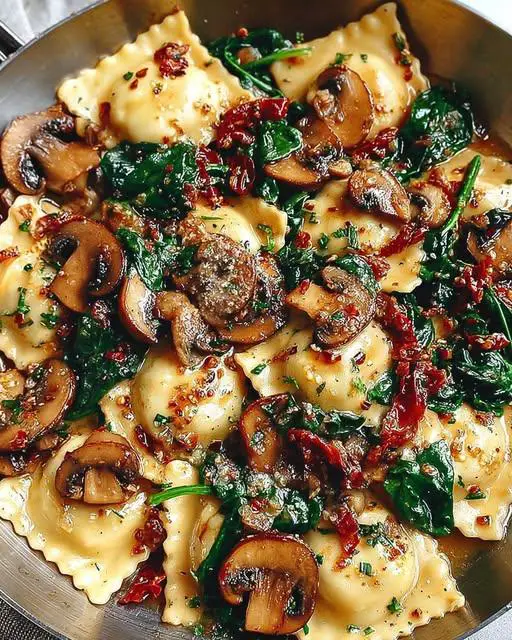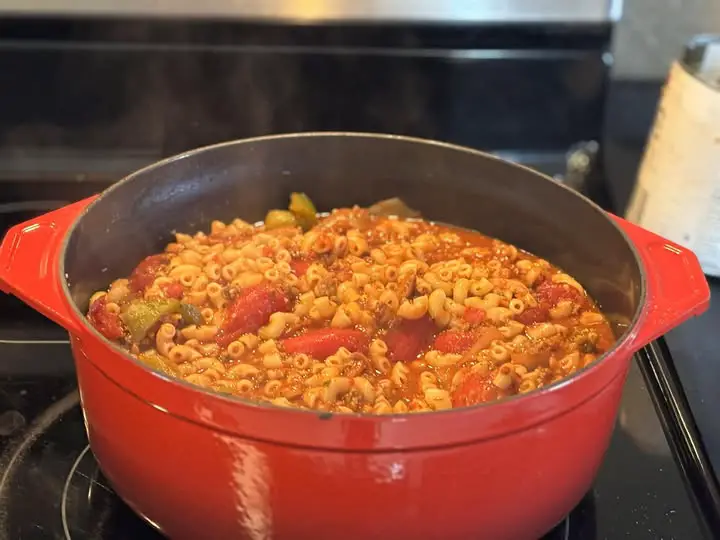
homemade pasta
Homemade pasta is a delicious and satisfying dish that can take your cooking to the next level. Whether you’re an experienced home chef or a novice looking to try something new, making pasta from scratch is an incredibly rewarding experience. This recipe for homemade pasta will guide you through the steps to create fresh, flavorful pasta right in your kitchen. The key to great pasta lies in a few basic ingredients, patience, and a bit of practice. By the end, you’ll have homemade pasta that’s perfect for a variety of sauces, from creamy Alfredo to a rich marinara.
Recipe Overview
- Recipe Name: Homemade Pasta
- Preparation Time: 20 minutes
- Cooking Time: 2-3 minutes (for fresh pasta)
- Resting Time: 30 minutes (for dough)
- Intensity: Intermediate (requires some skill and patience)
- Yields: 4 servings
Ingredients
For the Pasta Dough:
- 2 cups all-purpose flour (plus extra for dusting)
- 3 large eggs (preferably at room temperature)
- 1 tablespoon olive oil
- 1 teaspoon salt
For the Sauce (Optional, but recommended):
- 1/4 cup olive oil
- 2 cloves garlic, minced
- 1/2 cup crushed tomatoes (or fresh tomatoes)
- 1 teaspoon dried oregano
- Salt and pepper to taste
- Fresh basil (optional)
Equipment:
- Rolling pin (or pasta machine)
- Knife or pizza cutter (to cut the pasta)
- A large pot for boiling the pasta
- A large mixing bowl
- A fork or whisk for mixing
Step-by-Step Instructions
1. Preparing the Dough
-
Create a Flour Well: Start by pouring your flour onto a clean, flat surface like a countertop or cutting board. Use your hands to create a well in the center of the flour mound. This well will hold the wet ingredients and prevent the dough from spilling out.
-
Add the Eggs: Crack the eggs into the center of the well. Use a fork to whisk the eggs gently, breaking the yolks. Be careful not to let the eggs spill over the sides of the flour well.
-
Add Olive Oil and Salt: Add the olive oil and salt into the eggs, continuing to whisk until the mixture is slightly combined.
-
Incorporate the Flour: Gradually start pulling in small amounts of flour from the edges of the well into the egg mixture using your fork. Continue stirring until the mixture begins to thicken.
-
Mix into Dough: Once most of the flour is incorporated and you have a shaggy dough, use your hands to knead the dough together. If the dough is too sticky, dust it lightly with additional flour; if it’s too dry, add a drop or two of water.
-
Kneading the Dough: Knead the dough for about 8-10 minutes. Use the palms of your hands to push the dough away from you, then fold it back over itself. Turn the dough a quarter turn after each fold. The dough should be smooth and elastic when done.
-
Rest the Dough: Once the dough is kneaded, wrap it in plastic wrap or cover it with a clean kitchen towel. Let it rest for 30 minutes at room temperature. Resting allows the gluten to relax, making the dough easier to roll out.
2. Rolling the Dough
-
Divide the Dough: After the dough has rested, divide it into smaller sections (two or three parts). This makes it easier to roll out the dough and handle.
-
Roll the Dough: Begin by flattening one section of dough with your hands. If you are using a rolling pin, start rolling from the center outward. You want to aim for a thickness of about 1/8 inch (about the thickness of a credit card). If you’re using a pasta machine, start with the widest setting and gradually work your way down to thinner settings, rolling the dough through the machine a few times at each setting.
-
Dusting: Make sure to lightly dust your dough with flour as you roll it out to prevent sticking. Flip it over periodically to ensure even dusting and to check the thickness.
3. Cutting the Pasta
-
Cut the Pasta into Shapes: Once you’ve rolled out the dough to your desired thickness, it’s time to cut it. You can use a sharp knife or a pizza cutter to slice the dough into shapes. Popular pasta shapes include fettuccine, pappardelle, or tagliatelle.
-
Dust the Pasta: After cutting the pasta, dust it lightly with more flour to prevent the noodles from sticking together. You can also hang the pasta on a pasta drying rack if you have one, or simply lay it flat on a clean kitchen towel.
4. Cooking the Pasta
-
Boil Water: Bring a large pot of salted water to a boil. The water should be as salty as the sea—this helps season the pasta as it cooks.
-
Cook the Fresh Pasta: Fresh pasta cooks much faster than dried pasta, so be sure to keep an eye on it. Once the water is boiling, carefully add the pasta and cook for 2-3 minutes, or until the pasta floats to the surface. Fresh pasta can cook quickly, so taste a piece to ensure it’s cooked to your liking.
-
Drain the Pasta: Using a slotted spoon or colander, drain the pasta, reserving a little of the cooking water to help with your sauce if desired.
5. Preparing the Sauce (Optional)
-
Make the Sauce: While the pasta is cooking, you can make a quick, delicious sauce. Heat olive oil in a pan over medium heat. Add the minced garlic and sauté for about 1-2 minutes until fragrant. Add the crushed tomatoes and oregano, then season with salt and pepper. Simmer for 5-10 minutes, stirring occasionally, to let the flavors meld.
-
Toss the Pasta with Sauce: Once the pasta is drained, add it directly into the sauce and toss to coat. If you like a more saucy pasta, you can add a bit of the reserved pasta cooking water to help thin the sauce and make it cling to the noodles better.
-
Garnish and Serve: Garnish with fresh basil, Parmesan cheese, or red pepper flakes to taste. Serve immediately, and enjoy the fruits of your labor!
Additional Tips for Homemade Pasta Success:
-
Use High-Quality Flour: If possible, use 00 flour, which is finely ground and perfect for making pasta. It gives the dough a smooth, silky texture. If you can’t find 00 flour, all-purpose flour works just fine.
-
Rest the Dough: Don’t skip the resting step! It’s essential for the dough to relax, making it much easier to roll out and shape.
-
Use a Pasta Machine: While you can roll the dough by hand, a pasta machine makes the process easier and faster. If you plan on making homemade pasta often, investing in a pasta machine can save you time and effort.
-
Make Extra Pasta: If you’re going through the trouble of making homemade pasta, why not make extra? You can freeze it for future meals. Lay the fresh pasta flat on a baking sheet to freeze before transferring it to an airtight container.
Nutritional Information (per serving)
- Calories: 220 kcal
- Protein: 8g
- Fat: 3g
- Carbohydrates: 40g
- Fiber: 2g
- Sugar: 1g
- Sodium: 200mg
Note: These values are approximate and can vary based on portion size and specific ingredients used.
Conclusion
Making homemade pasta is a rewarding experience that anyone can try. By following this simple, step-by-step guide, you’ll create fresh pasta that’s light, flavorful, and customizable to your favorite sauces. Whether you’re preparing it for a family dinner or impressing guests at a dinner party, your homemade pasta will stand out as a delicious and authentic dish. Enjoy your pasta-making adventure!