homemade tomato sauce
- Prep Time: 20 minutes
- Cook Time: 1 hour 30 minutes
- Total Time: 1 hour 50 minutes
- Yield: 8 cups (approximately 16 servings)
Ingredients
- 5 pounds ripe Roma tomatoes (or other paste tomatoes)
- 3 tablespoons olive oil
- 1 large onion, finely chopped
- 6 cloves garlic, minced
- 2 tablespoons tomato paste
- 2 teaspoons salt
- 1 teaspoon black pepper
- 2 teaspoons dried oregano
- 2 teaspoons dried basil
- 1 teaspoon thyme
- 1 teaspoon sugar (optional, depending on tomato sweetness)
- 1 bay leaf
- ¼ teaspoon crushed red pepper flakes (optional)
- 2 tablespoons fresh parsley, chopped
- ¼ cup fresh basil, chopped
- 1 tablespoon lemon juice (optional for brightness)
Equipment Needed
- Large stockpot
- Sharp knife
- Cutting board
- Blender or immersion blender
- Wooden spoon
- Fine mesh strainer (optional)
- Large bowl
- Measuring spoons
Instructions
Step 1: Prepare the Tomatoes
Wash the tomatoes thoroughly.
Bring a large pot of water to a boil.
Cut a small “X” on the bottom of each tomato.
Boil the tomatoes for about 45–60 seconds, then immediately transfer them into ice water.
Peel away the skins.
Cut each tomato in half and remove excess seeds if desired.
Roughly chop the tomatoes.
Step 2: Cook the Aromatics
Heat olive oil over medium heat.
Add chopped onions.
Cook for 8–10 minutes, stirring occasionally until soft.
Add garlic.
Cook another 1 minute until fragrant.
Do not allow the garlic to brown.
Step 3: Build the Flavor
Stir in tomato paste.
Cook for 2 minutes.
This caramelizes the tomato paste and adds depth of flavor.
Step 4: Add Tomatoes
Add chopped tomatoes to the pot.
Stir well.
Mix in:
- Salt
- Pepper
- Oregano
- Basil
- Thyme
- Bay leaf
- Red pepper flakes
Bring everything to a gentle boil.
Step 5: Simmer Slowly
Reduce heat to low.
Simmer uncovered for 60–90 minutes.
Stir every 10–15 minutes.
As the sauce cooks, moisture evaporates and the flavors become concentrated.
Step 6: Blend the Sauce
Remove the bay leaf.
Use an immersion blender until smooth.
Alternatively, carefully blend the sauce in batches.
If you prefer a chunkier sauce, blend only partially.
Step 7: Adjust Consistency
If the sauce is too thin:
Continue simmering for another 15–30 minutes.
If it’s too thick:
Add a little water or vegetable broth.
Taste and adjust seasoning.
Add sugar only if your tomatoes are especially acidic.
Step 8: Finish the Sauce
Stir in:
- Fresh basil
- Fresh parsley
- Lemon juice (optional)
Simmer another 5 minutes.
Your homemade tomato sauce is now ready.
Cooking Intensity
- Preparing tomatoes: Medium
- Sautéing onions: Medium Heat
- Simmering sauce: Low Heat
- Final simmer: Low Heat
Maintaining a gentle simmer helps preserve the tomatoes’ natural sweetness while developing a rich, concentrated flavor.
Tips for the Best Tomato Sauce
Choose ripe Roma tomatoes for the richest flavor and thickest consistency.
Allow the sauce to simmer slowly rather than boiling rapidly.
Fresh herbs added at the end provide a brighter flavor.
If using canned tomatoes instead of fresh, select whole peeled San Marzano tomatoes for excellent results.
Avoid adding too much sugar. Properly ripe tomatoes usually provide enough natural sweetness.
Delicious Variations
Italian Herb Sauce
Add:
- Fresh rosemary
- Extra basil
- Parmesan rind while simmering
Roasted Garlic Tomato Sauce
Roast an entire head of garlic before adding it to the sauce.
This creates a sweeter, richer flavor.
Spicy Arrabbiata Style
Increase crushed red pepper flakes.
Add fresh chili peppers.
Vegetable Tomato Sauce
Blend cooked carrots, celery, and bell peppers into the sauce.
This creates extra sweetness and nutrition.
Creamy Tomato Sauce
Stir in:
- Heavy cream
- Butter
- Parmesan cheese
Perfect for pasta dishes.
Serving Suggestions
This homemade tomato sauce pairs beautifully with:
- Spaghetti
- Penne pasta
- Lasagna
- Pizza
- Chicken Parmesan
- Meatballs
- Stuffed peppers
- Eggplant Parmesan
- Mozzarella sticks
- Garlic bread
- Ravioli
- Gnocchi
- Baked ziti
- Calzones
It also works wonderfully as a dipping sauce for breadsticks and fried appetizers.
Storage
Refrigerator
Store in airtight containers for up to 5 days.
Freezer
Freeze in freezer-safe containers or bags.
Keeps well for 6 months.
Thaw overnight before reheating.
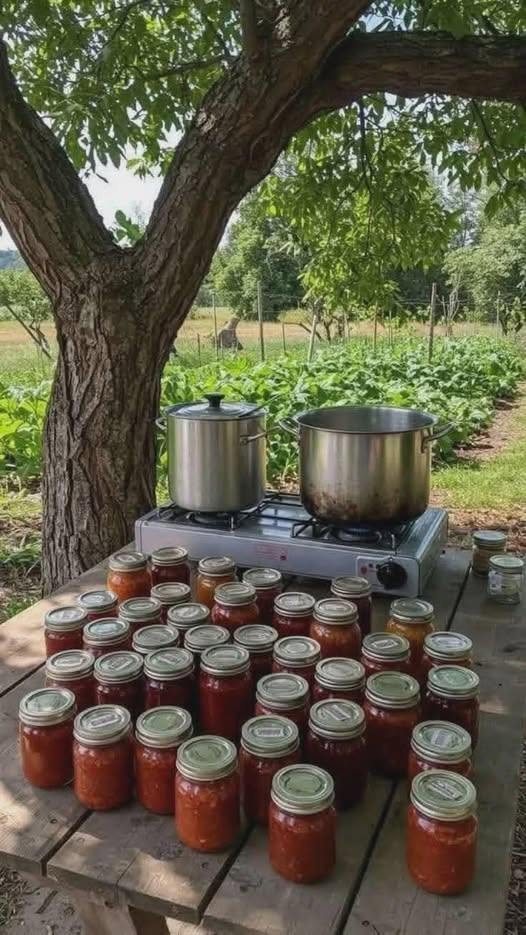
Canning
For long-term pantry storage, follow tested, up-to-date home canning guidelines for tomato sauce, including proper acidification (such as bottled lemon juice or citric acid, as recommended) and processing times appropriate for your jar size and altitude. Using current, science-based canning instructions is essential for food safety.
Common Mistakes to Avoid
- Using underripe tomatoes
- Cooking over high heat
- Burning the garlic
- Skipping the slow simmer
- Overseasoning before reduction
- Forgetting to remove the bay leaf
- Blending hot sauce in a sealed blender without venting carefully
Frequently Asked Questions
Can I leave the skins on?
Yes. Blending makes them nearly unnoticeable, although peeling produces a smoother sauce.
Can I use canned tomatoes?
Absolutely. Whole peeled canned tomatoes work very well when fresh tomatoes are out of season.
Is tomato paste necessary?
It adds richness and color but can be omitted for a lighter sauce.
How do I reduce acidity?
Use naturally sweet, ripe tomatoes and simmer slowly. If needed, add a small pinch of sugar after tasting.
Can I make this sauce ahead?
Yes. Many people find the flavor is even better the next day after the ingredients have had time to meld.
Final Thoughts
Homemade tomato sauce is one of the most rewarding recipes to master. With simple ingredients, gentle simmering, and fresh herbs, you can create a rich, versatile sauce that elevates everything from pasta and pizza to casseroles and soups. Make a large batch, enjoy some right away, and freeze or safely preserve the rest so you’ll always have a delicious homemade staple on hand.
Nutrition Information (Per Serving)
Approximate values based on 16 servings.
- Calories: 55
- Protein: 1.5 g
- Carbohydrates: 7 g
- Dietary Fiber: 2 g
- Sugars: 4 g
- Total Fat: 2.5 g
- Saturated Fat: 0.4 g
- Cholesterol: 0 mg
- Sodium: 290 mg
- Potassium: 320 mg
- Vitamin A: 12% DV
- Vitamin C: 20% DV
- Calcium: 2% DV
- Iron: 4% DV