pickled carrots
Preparation Time: 15 minutes
Cooking Time: 10 minutes
Cooling Time: 30 minutes
Pickling Time: 24 hours minimum
Total Active Time: 25 minutes
Total Time Before Serving: Approximately 24 hours 55 minutes
Servings: 8 servings
Yield: 2 pint jars
Equipment Needed
- Medium saucepan
- Cutting board
- Sharp knife or vegetable peeler
- Measuring cups and spoons
- Two clean pint-sized glass jars with lids
- Tongs or spoon
- Funnel (optional)
Ingredients
For the Carrots
- 1 pound (450 g) fresh carrots
- 2 cloves garlic, peeled and sliced
- 1 teaspoon black peppercorns
- 1 teaspoon mustard seeds
- ½ teaspoon coriander seeds
- 1 bay leaf
For the Pickling Brine
- 1 cup white vinegar
- 1 cup water
- 2 tablespoons granulated sugar
- 1 tablespoon kosher salt
Optional Flavor Additions
- ½ teaspoon red pepper flakes
- 1 small sliced jalapeño
- Fresh dill sprigs
- Fresh thyme
- ½ teaspoon celery seeds
- 1 teaspoon whole cumin seeds
Ingredient Notes
Carrots
Fresh, firm carrots work best for pickling. Avoid carrots that feel soft or have visible cracks.
Vinegar
White vinegar provides a classic pickled flavor. Apple cider vinegar can be substituted for a slightly sweeter and fruitier taste.
Salt
Kosher salt is recommended because it dissolves easily and contains no additives that may cloud the brine.
Sugar
A small amount of sugar balances the acidity without making the pickles overly sweet.
How to Make Pickled Carrots
Step 1: Prepare the Carrots
Time: 10 minutes
Intensity: Easy
Wash the carrots thoroughly under cold running water.
Peel the carrots if desired.
Cut them into your preferred shape:
- Thin sticks
- Rounds
- Crinkle-cut slices
- Baby carrot-sized spears
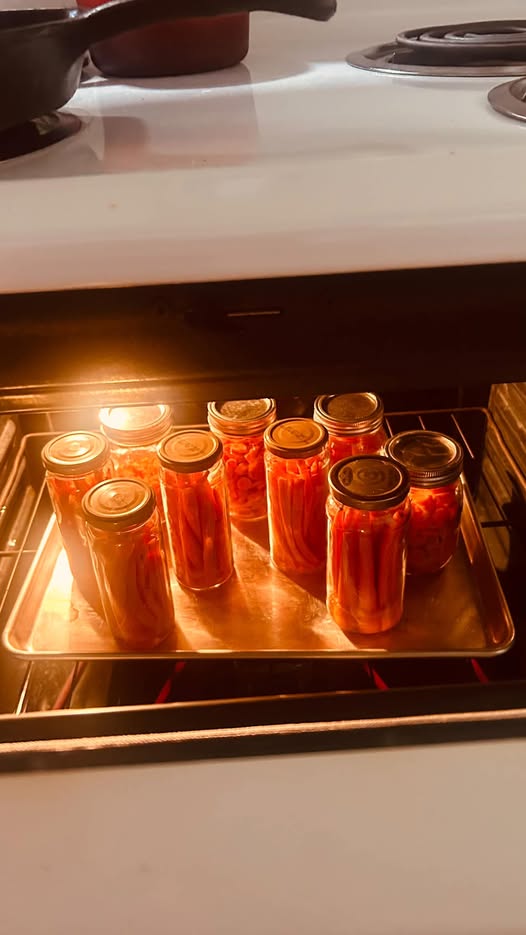
For pint jars, carrot sticks that fit vertically are especially attractive and convenient.
Set aside.
Step 2: Prepare the Jars
Time: 2 minutes
Intensity: Easy
Place the sliced garlic, peppercorns, mustard seeds, coriander seeds, and bay leaf into the bottoms of the clean jars.
If using optional ingredients such as dill, jalapeño, or red pepper flakes, divide them evenly between the jars.
Pack the carrots tightly into the jars while leaving approximately ½ inch of headspace at the top.
Step 3: Make the Pickling Brine
Time: 5 minutes
Intensity: Easy
In a medium saucepan, combine:
- White vinegar
- Water
- Sugar
- Kosher salt
Place over medium heat.
Stir continuously until the salt and sugar dissolve completely.
Bring the mixture to a gentle simmer.
Avoid prolonged boiling, which can reduce the sharpness of the vinegar flavor.
Step 4: Fill the Jars
Time: 3 minutes
Intensity: Easy
Carefully pour the hot brine over the carrots.
Ensure all carrot pieces are fully submerged.
Leave approximately ¼ inch of space at the top of each jar.
Gently tap the jars on the counter to release trapped air bubbles.
Add more brine if necessary.
Secure the lids loosely while cooling.
Step 5: Cool the Pickles
Time: 30 minutes
Intensity: Easy
Allow the jars to cool to room temperature.
As they cool, the carrots will begin absorbing the flavors of the spices and vinegar.
Once cooled, tighten the lids completely.
Step 6: Refrigerate and Pickle
Time: 24 hours minimum
Intensity: None
Transfer the jars to the refrigerator.
Allow the carrots to pickle for at least 24 hours before serving.
For the best flavor, wait 3 to 5 days.
The longer they sit, the more flavorful they become.
Tips for Perfect Pickled Carrots
Use Fresh Produce
Fresh carrots produce the crunchiest and most flavorful pickles.
Cut Uniform Pieces
Consistent sizing ensures even pickling throughout the batch.
Don’t Skip the Cooling Step
Cooling helps preserve texture and allows flavors to develop properly.
Experiment with Spices
Customize your pickles with different herbs and whole spices.
Keep Carrots Submerged
Always ensure carrots remain below the brine level during storage.
Flavor Variations
Spicy Pickled Carrots
Add:
- Jalapeño slices
- Red pepper flakes
- Serrano peppers
This version pairs especially well with tacos and sandwiches.
Dill Pickled Carrots
Add several fresh dill sprigs to each jar for a classic pickle flavor.
Garlic Lover’s Version
Double the garlic for a bold and savory taste.
Sweet Pickled Carrots
Increase sugar to 3 tablespoons for a sweeter pickle.
Mediterranean Style
Add oregano, thyme, and a few lemon slices.
Serving Suggestions
Pickled carrots are incredibly versatile.
Serve them:
- On charcuterie boards
- In sandwiches and wraps
- Alongside grilled meats
- On tacos and burritos
- In grain bowls
- As a salad topping
- With burgers
- As a healthy snack
- On appetizer platters
Their bright acidity helps balance rich and savory dishes.
Storage Instructions
Refrigerator Storage
Store in sealed jars in the refrigerator for up to 1 month.
The flavor will continue developing over time.
Freezing
Freezing is not recommended because it can significantly soften the carrots and reduce their crunchy texture.
Common Mistakes to Avoid
Using Soft Carrots
Older carrots may become mushy after pickling.
Overcooking the Brine
Excessive boiling can alter the flavor balance.
Insufficient Pickling Time
The carrots need time to absorb the brine.
Improper Storage
Always refrigerate after preparation unless using approved canning methods.
Frequently Asked Questions
How long do pickled carrots take to be ready?
They can be eaten after 24 hours, but the flavor improves significantly after 3 to 5 days.
Can I use rainbow carrots?
Absolutely. Rainbow carrots create a colorful and attractive presentation.
Are pickled carrots healthy?
Yes. They are low in calories, contain fiber, and provide vitamins and minerals from fresh carrots.
Can I reuse the brine?
It’s generally best to prepare fresh brine for each batch to maintain proper flavor and food safety.
Why are my carrots soft?
Soft carrots may result from using older carrots or exposing them to excessive heat.
Nutritional Information
Per Serving (Approximately ½ Cup)
- Calories: 35
- Protein: 1 g
- Carbohydrates: 8 g
- Total Fat: 0 g
- Saturated Fat: 0 g
- Cholesterol: 0 mg
- Sodium: 350 mg
- Fiber: 2 g
- Sugars: 5 g
- Vitamin A: 180% Daily Value
- Vitamin C: 4% Daily Value
- Calcium: 2% Daily Value
- Iron: 2% Daily Value