white washcloths or towels
- Preparation Time: 10 minutes
- Soaking Time: 30–60 minutes (optional)
- Wash Time: 45–60 minutes
- Drying Time: 45–60 minutes (machine drying) or several hours (air drying)
- Total Time: Approximately 2–3 hours
- Difficulty: Easy
Supplies You’ll Need
- White cotton washcloths or towels
- Laundry detergent
- Oxygen-based laundry booster (color-safe oxygen bleach)
- Baking soda
- Distilled white vinegar
- Warm or hot water (according to the towel care label)
- Washing machine
- Dryer or clothesline
Optional Supplies
- Soft-bristle brush
- Stain remover
- Mesh laundry bag for small washcloths
Step-by-Step Instructions
Step 1: Sort the Laundry
Wash white towels and washcloths separately from colored items to prevent dye transfer. Also separate heavily soiled towels from lightly used ones if possible.
Check each item for stains before washing.
Step 2: Pre-Treat Stains
Apply a fabric-safe stain remover directly to visible stains according to the product directions.
For stubborn spots, gently rub the cleaner into the fabric with your fingers or a soft-bristle brush.
Allow it to sit for about 10 minutes before washing.
Step 3: Optional Soak
If towels are especially dingy or have lingering odors, prepare a soaking solution.
Fill a large basin or sink with warm water and dissolve an oxygen-based laundry booster according to the package instructions. Soak the towels for 30–60 minutes, then drain.
Step 4: Load the Washer
Place the towels loosely into the washing machine. Avoid overloading, as the fabric needs room to move freely for effective cleaning.
Step 5: Add Laundry Products
Use the recommended amount of laundry detergent for the load size.
For added freshness, sprinkle ½ cup baking soda directly into the drum.
During the rinse cycle, add 1 cup distilled white vinegar to the fabric softener dispenser. Vinegar helps rinse away detergent residue and naturally softens towels.
Avoid using fabric softener, as it can leave a coating that reduces absorbency over time.
Step 6: Wash
Select the hottest water temperature that is safe for your towels, following the care label instructions.
Choose a normal or heavy-duty wash cycle, depending on how soiled the towels are.
Step 7: Dry Thoroughly
Shake each towel before placing it in the dryer to help fluff the fibers.
Dry on a medium heat setting until completely dry. Avoid excessive heat, which can shorten the life of the fabric.
If weather permits, line drying outdoors can leave towels smelling naturally fresh. If drying outside, avoid leaving white towels in direct sunlight for extended periods, as prolonged exposure may gradually weaken fibers.
Tips for Bright White Towels
- Wash towels every three to four uses.
- Avoid overusing detergent, which can leave residue.
- Skip fabric softener to maintain absorbency.
- Clean your washing machine regularly for the best results.
- Shake towels before drying to reduce wrinkles.
- Store towels only after they are completely dry.
- Replace worn towels when the fibers become thin or rough.
Maintenance Schedule
Weekly
Wash frequently used towels and washcloths.
Monthly
Use an oxygen-based laundry booster to help maintain brightness.
Every Few Months
Run a cleaning cycle on your washing machine according to the manufacturer’s recommendations to help prevent buildup that can transfer to laundry.
Storage Tips
Store clean towels in a cool, dry linen closet with good air circulation.
Avoid storing damp towels, as trapped moisture can lead to unpleasant odors.
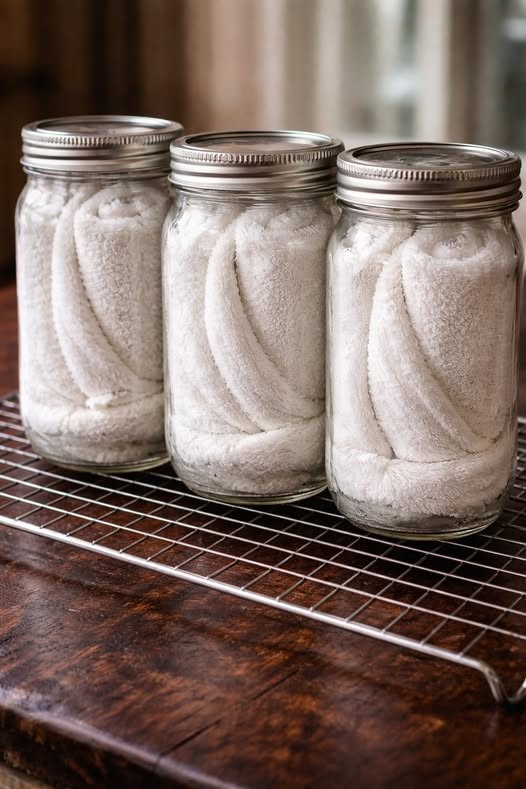
Fold neatly and rotate older towels to the front so all towels wear evenly.
Common Mistakes to Avoid
- Washing white towels with colored clothing.
- Using too much detergent.
- Overloading the washing machine.
- Leaving damp towels in the washer too long.
- Using fabric softener every wash.
- Ignoring care label instructions.
- Storing towels before they are fully dry.
Frequently Asked Questions
Why are my white towels turning gray?
This is often caused by detergent buildup, hard water minerals, or washing with darker fabrics. Using the proper amount of detergent and periodically washing with an oxygen-based laundry booster can help maintain brightness.
Can I use chlorine bleach?
Some white cotton towels can be washed with chlorine bleach if the care label permits. However, frequent use may weaken fibers over time. An oxygen-based laundry booster is generally a gentler option for routine whitening.
How often should I wash washcloths?
Washcloths used daily are best washed after each use or every one to two days, depending on how they’re used.
Why shouldn’t I use fabric softener?
Fabric softeners can coat towel fibers, reducing absorbency and making towels less effective at drying.
Can I air-dry my towels?
Yes. Air drying is gentle on fabrics and can help extend towel life. For extra softness, briefly tumble dry on low heat after air drying if desired.
Care Summary
- Sort white towels separately.
- Pre-treat stains promptly.
- Wash with detergent and an oxygen-based laundry booster as needed.
- Add baking soda for freshness.
- Use distilled white vinegar during the rinse cycle instead of fabric softener.
- Dry completely before storing.
- Wash regularly to maintain softness and brightness.
Estimated Product Usage (Per Load)
- Laundry Detergent: As directed on the label
- Baking Soda: ½ cup
- Distilled White Vinegar: 1 cup (rinse cycle)
- Oxygen-Based Laundry Booster: As directed (optional)